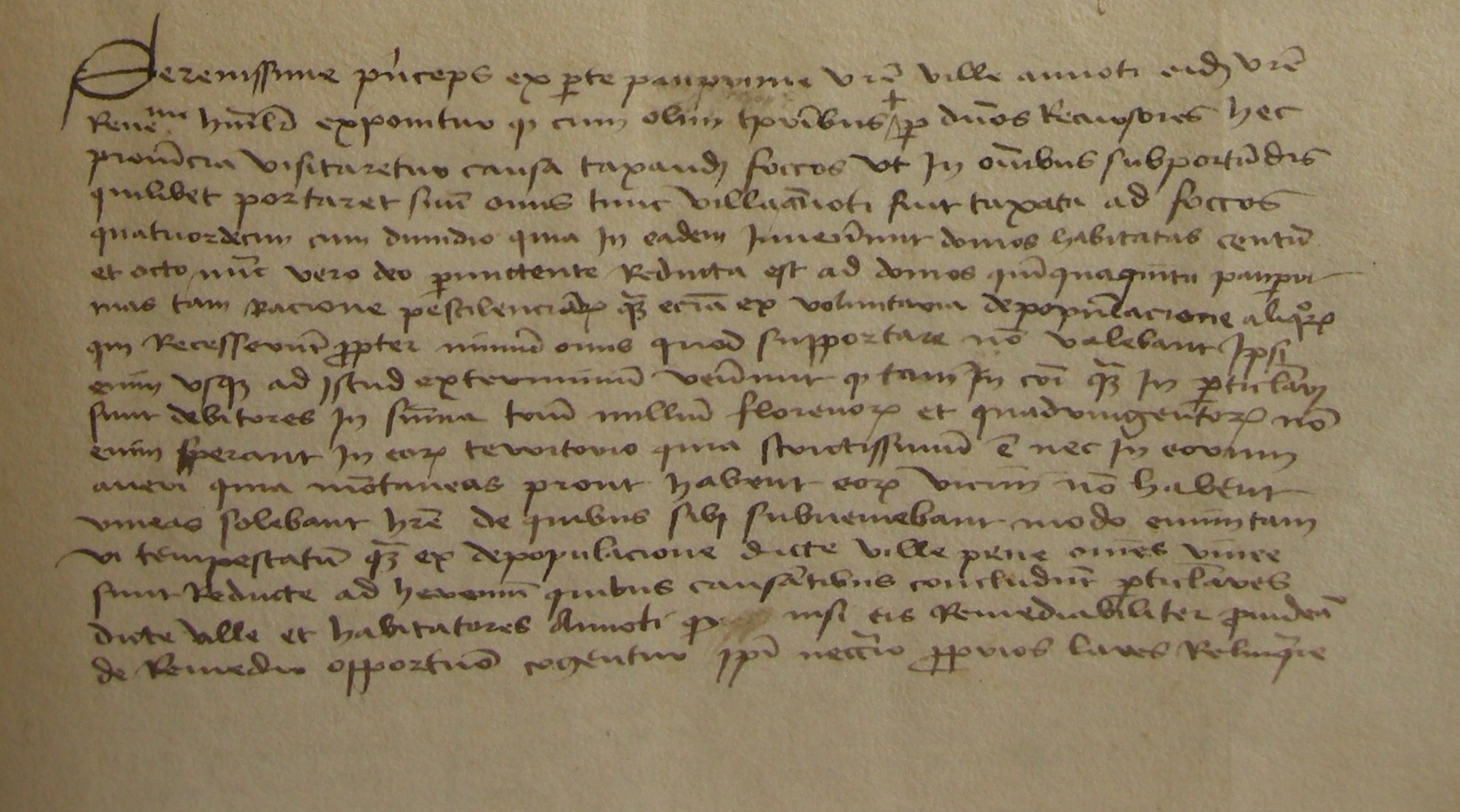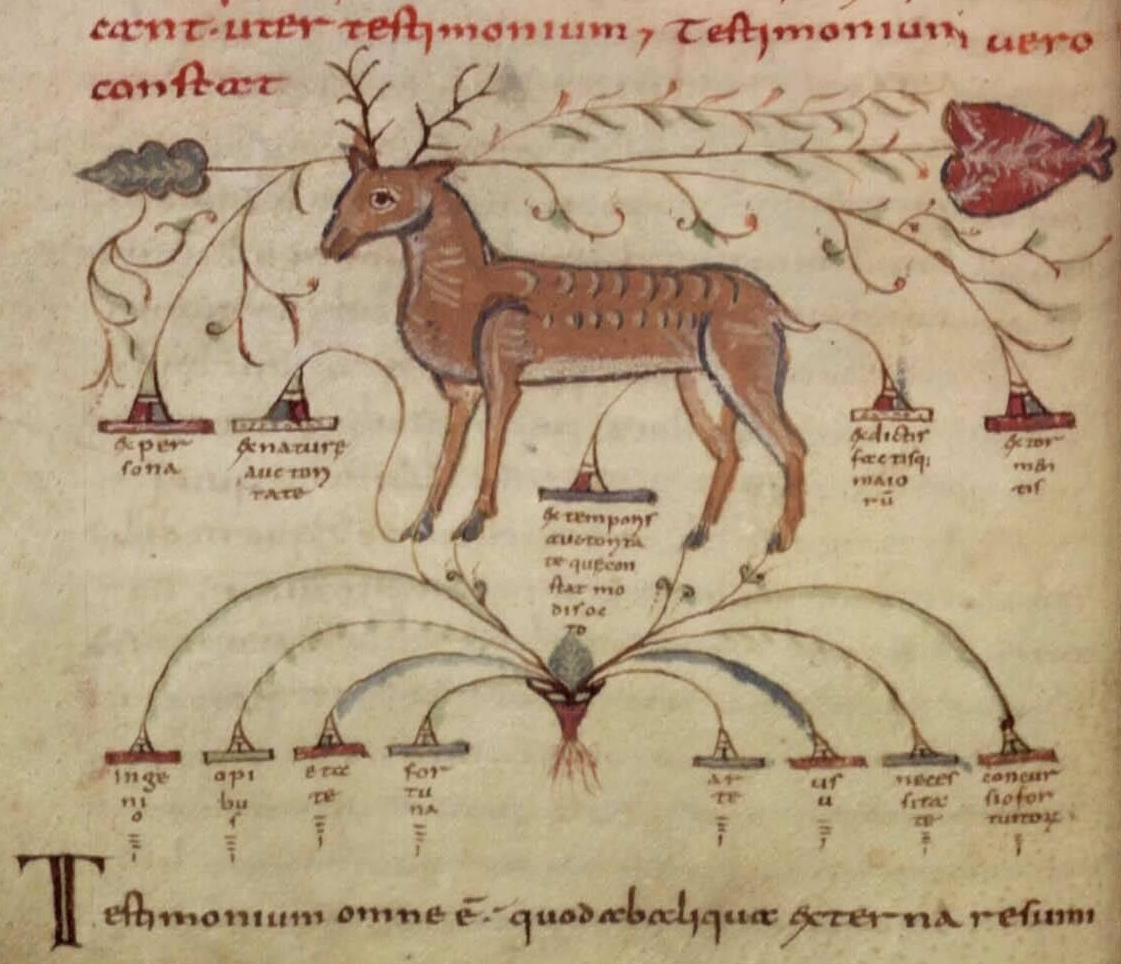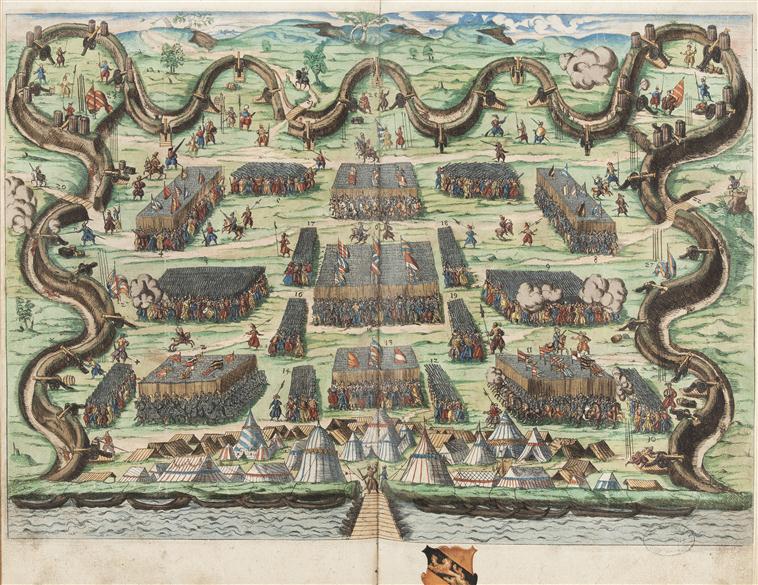
World history is characterized by the circulation of knowledge. Sapientia (“knowledge”) is a digital project, funded by the Canada Foundation for Innovation (CFI), which aims to trace the development, circulation, transformation and implementation of knowledge in Europe over the centuries. It brings together four researchers who work in fields that at first glance seem distant in time and space but who in fact come together around a common interest in the circulation of knowledge: Richard Matthew Pollard in the intellectual history of the early Middle Ages, Michel Hébert in the history of political societies at the end of the Middle Ages, and Benjamin Deruelle in the history of early modern warfare. All three are professor-researchers in the Department of History at UQAM.
Despite their distinct fields, each seeks to reconstruct the circulation of knowledge in their respective fields and periods, by studying the way in which texts were produced, disseminated, reused and translated. Sapientia is a digital infrastructure designed to facilitate this research. It consists in particular of a database that is both considerable and flexible, bringing together texts and data that describe them. If many texts have been digitized here for the first time, all there have been specially encoded and enriched through an innovative publishing and research platform. This database will allow researchers around the world to observe how thousands of texts were copied or recopied into manuscripts or printed or reprinted into books, to identify the places and times of their dissemination, and to understand how ancient theological, political, and military works were received, appropriated and worked on in the European intellectual world and beyond. The Sapientia platform will allow researchers to draw up a table of important texts from the ninth, fourteenth and fifteenth centuries, sixteenth, or even nineteenth century. In a broader perspective, Sapientia will ultimately unite several distinct fields to lay the foundations of a new intellectual history of Europe, based on massive quantitative data.