The Political Supplication
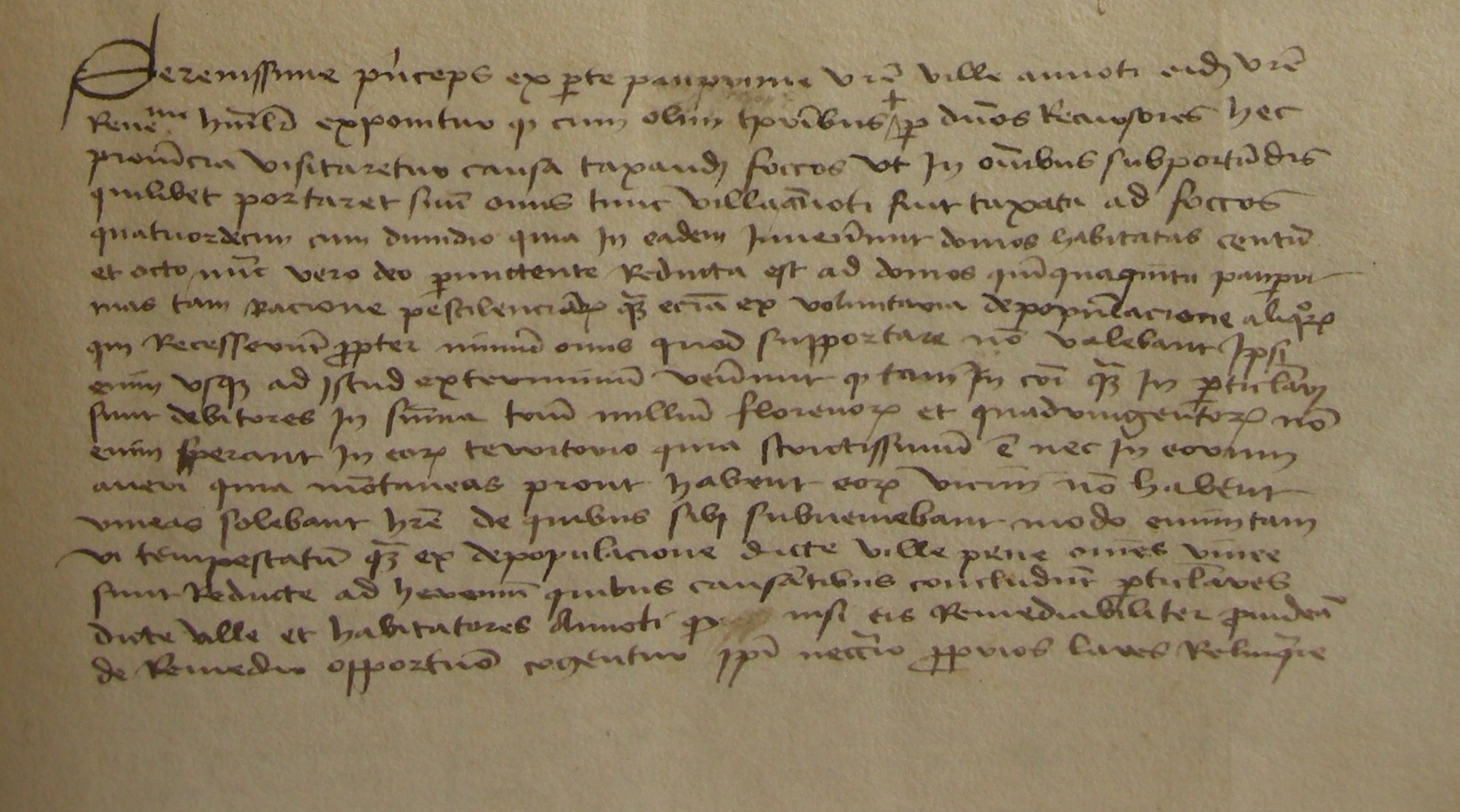
Project led by Michel Hébert, funded by the SSHRC (Knowledge Development, 2015-2020). In the last centuries of the Middle Ages in Western Europe, dialogue between princes and their subjects took place through various channels. The emergence of representative and parliamentary assemblies in almost all territories facilitated exchanges between countries that gradually formed into true states and their respective princes. At a more local level, urban and village communities also began a dialogue fueled by their own concerns. This dialogue took place through petitions and requests, most often referred to as supplications, to which princes provided responses that established or reformed legal norms, corrected abuses by officers in the exercise of their functions, or simply granted graces in a "merciful" form to forgive certain crimes, to monitor the morality of their subjects, or to alleviate their distress in situations of war, epidemic, or famine. Collected in an easily accessible database, these petitions constitute a corpus that bears witness to the production, reception and use of a political literature firmly rooted in the resolution of practical issues affecting the daily lives of urban and rural populations. This database accompanies the publication of Michel Hébert’s work, Supplier le prince (1382-1460). L’État angevin et les communautés provençales, Paris, Classiques Garnier, 2025 [ISBN 978-2-406-18705-9].